
Overview

Experiencing the Ranthambore Forest

A safari in Ranthambhore is more than a search for tigers. Listen to alarm calls, watch animal behaviour, notice scents carried by the wind, and observe the countless interactions that unfold around you. Every sound, smell, movement, and display reveals something about the hidden lives of the forest's inhabitants.

Experience the Forest During a Safari

Finding a tiger or leopard in Ranthambhore is rarely a matter of luck. It is the result of experienced guides and drivers carefully interpreting the many signs left behind in the forest. As you travel through the reserve, watch how your guide reads these clues — the tracking process is often as fascinating as the sighting itself.

Even from a moving safari vehicle, guides constantly scan the ground for pugmarks. They can identify the species, direction of travel, freshness of the trail, and sometimes even the sex or identity of an individual tiger. They also look for scrapes, claw marks, scent sprays, and even the smell of a recent kill to understand an animal's movements.

The forest itself provides many clues. Alarm calls of sambar, chital, and langurs often reveal the presence of a nearby predator, while the behaviour of peafowl, parakeets, and other birds may indicate hidden wildlife. Experienced guides combine these signs with years of field knowledge to decide where an animal is likely to be.

Ask your guide what they are observing. A question about a pugmark, an alarm call, or a scratch mark can reveal the remarkable skill involved in locating wildlife. Watching a tiger is unforgettable, but understanding how it was found makes the safari an even richer and more rewarding experience.
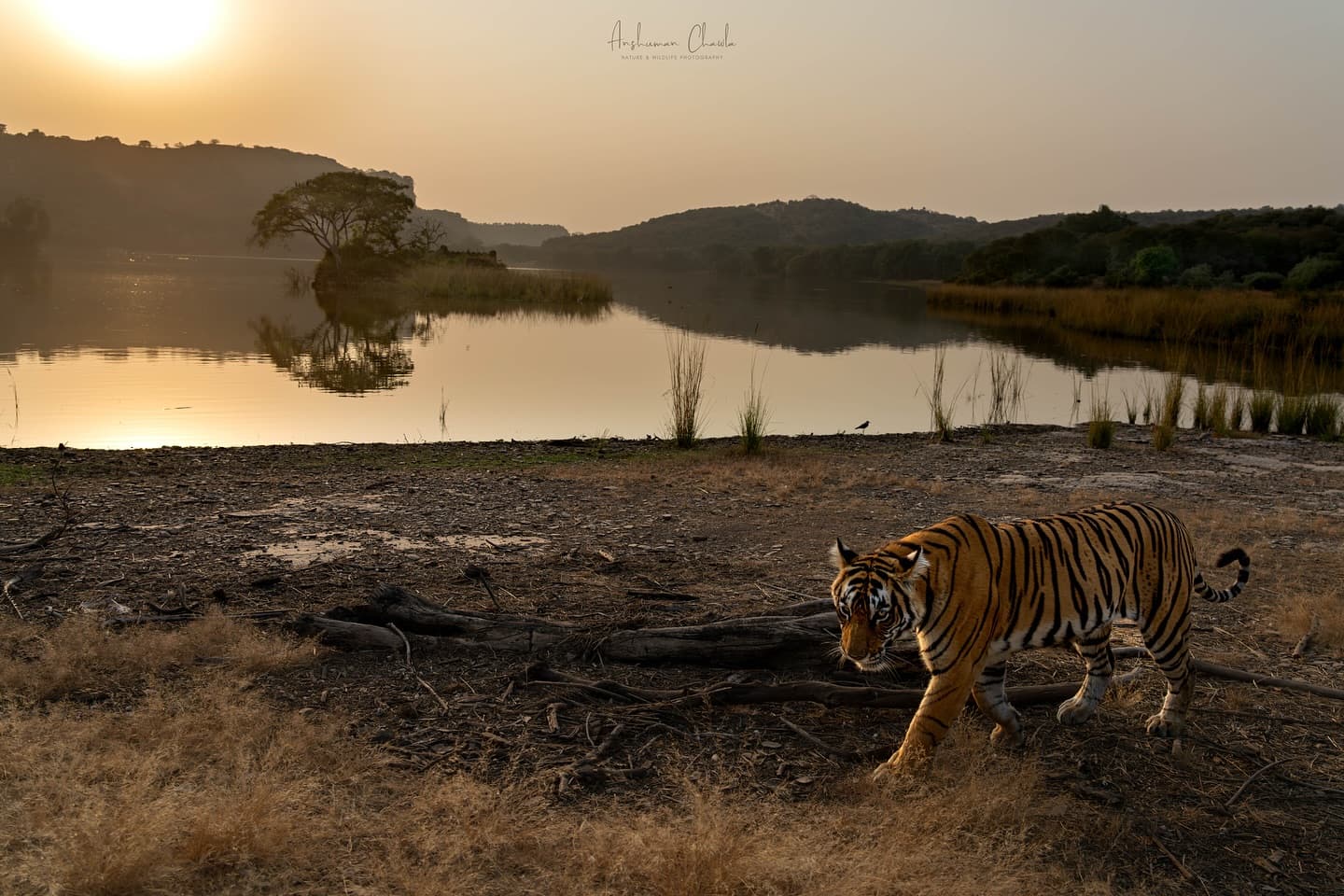
Forest landscape during a Ranthambhore safari

Alarm Calls

One of the most useful clues for locating a tiger is the alarm call given by prey animals. The three most reliable species are the Sambar, Chital (Spotted Deer), and Hanuman Langur. A sambar gives a deep, resonant bark only when it is highly confident of a predator's presence, making it the most dependable alarm call in the forest. Chital produce repeated sharp, high-pitched calls, although an isolated single call may simply indicate uncertainty or a brief disturbance rather than an actual tiger. Langurs often detect predators from the treetops and emit loud coughing calls while staring in the direction of the threat. Peafowl, nilgai, and occasionally other animals may also give alarm calls, but experienced guides rely most heavily on the calls of sambar, chital, and langurs to locate big cats.

Breeding Displays in Deer

During the breeding season, male chital become highly vocal, repeatedly calling to attract females. They often engage in antler-locking contests, known as sparring, to establish dominance. Male sambar behave differently. They rub the scent glands located below their eyes against trees, scrape the ground, wallow in mud, and coat themselves with mud and urine to advertise their presence. These impressive displays are among the most fascinating natural spectacles in the forest.

Peacock Courtship Displays

The Indian Peafowl performs one of nature's most spectacular courtship displays. During the breeding season (summer), the male fans out his magnificent train and vibrates the feathers, producing a distinctive rattling sound that attracts nearby females. As females approach, the display becomes even more vigorous. Rival males may occasionally challenge one another, resulting in dramatic confrontations.

Crocodile Basking

Marsh Crocodiles are frequently seen resting along the edges of lakes with their mouths open. Although this may appear threatening, it is a normal form of thermoregulation. As cold-blooded reptiles, crocodiles depend on external heat sources to regulate their body temperature, alternating between basking in the sun and cooling off in the water.

Langur Social Behaviour

Hanuman Langurs have a highly organised social structure. Young animals usually play with others of a similar age and size, helping them develop strength, coordination, and social skills while reducing the risk of injury. Most troops consist of a dominant adult male living with several females and their offspring, although all-male bachelor groups are also common. Watching grooming, play, and social interactions within a troop offers fascinating insights into primate society.

Sloth Bear Feeding Behaviour

Sloth bears spend much of their time walking with their noses close to the ground, constantly searching for food by scent. Their favourite foods include termites and ants. After locating a termite mound, they use their powerful claws to break it open, blow away the dust, and then create a strong suction with their elongated lips to draw out thousands of insects. Their loud feeding noises can often be heard from some distance.

Sloth bears also feed on fruits such as ber, tendu, and jamun, as well as amaltas pods. When these foods are in season, they may frequently climb trees to reach them. They also climb trees to feed on bee larvae, grubs, and honey from beehives.

Bird Behaviour

Ranthambhore's birds display a remarkable variety of behaviours throughout the year. Kingfishers plunge into the water to catch fish, bee-eaters expertly capture insects in mid-air, woodpeckers drum on tree trunks to establish territories, while vultures and eagles soar effortlessly on rising warm air currents. During the nesting season, many species become highly territorial and perform elaborate courtship displays.

Dominance and Territorial Behaviour

Competition is a natural part of life in the forest. Male tigers defend their territories against rivals, sometimes engaging in dramatic confrontations. Similar displays of dominance can also be seen among deer, langurs, wild boar, and many bird species. These interactions determine access to food, mates, and breeding territories and are an essential part of maintaining healthy populations.

Monkey and Deer Associations

Chital and langurs share a well-known ecological relationship. Langurs feeding in trees often drop fruits and leaves that are eagerly consumed by the chital below. In return, both species benefit from each other's vigilance, as either can alert the other to the presence of predators through alarm calls.

The forest is constantly communicating with those who know how to observe it. A successful safari is not measured only by the number of animals seen, but by the fascinating behaviours witnessed along the way. Every alarm call, territorial display, courtship dance, or hunting attempt offers a deeper understanding of the remarkable wildlife of Ranthambhore.