



Ranthambore, by widespread and critical acclaim, is the best place in the world to experience tigers and the bountiful wildlife that India has to offer, and no one caters to this better than Ranthambhor Regency, a luxury resort located in the quaint town of Sawai Madhopur; the perfect abode for the thrill-seeking wildlife enthusiast! Situated just five minutes from India’s most fascinating National Park, Ranthambhore Regency is a gorgeous family-operated jungle resort.
Priding itself in its popularity for presenting the best of both worlds – genteel, comfortable hospitality amidst complete wilderness, this hotel offers the perfect Ranthambore experience for keen travelers.
The Stay

Aiming at providing our guests with a friendly and serene atmosphere while being personally looked after, we offer every sought after contemporary luxury.
EXPLOREThe Experience
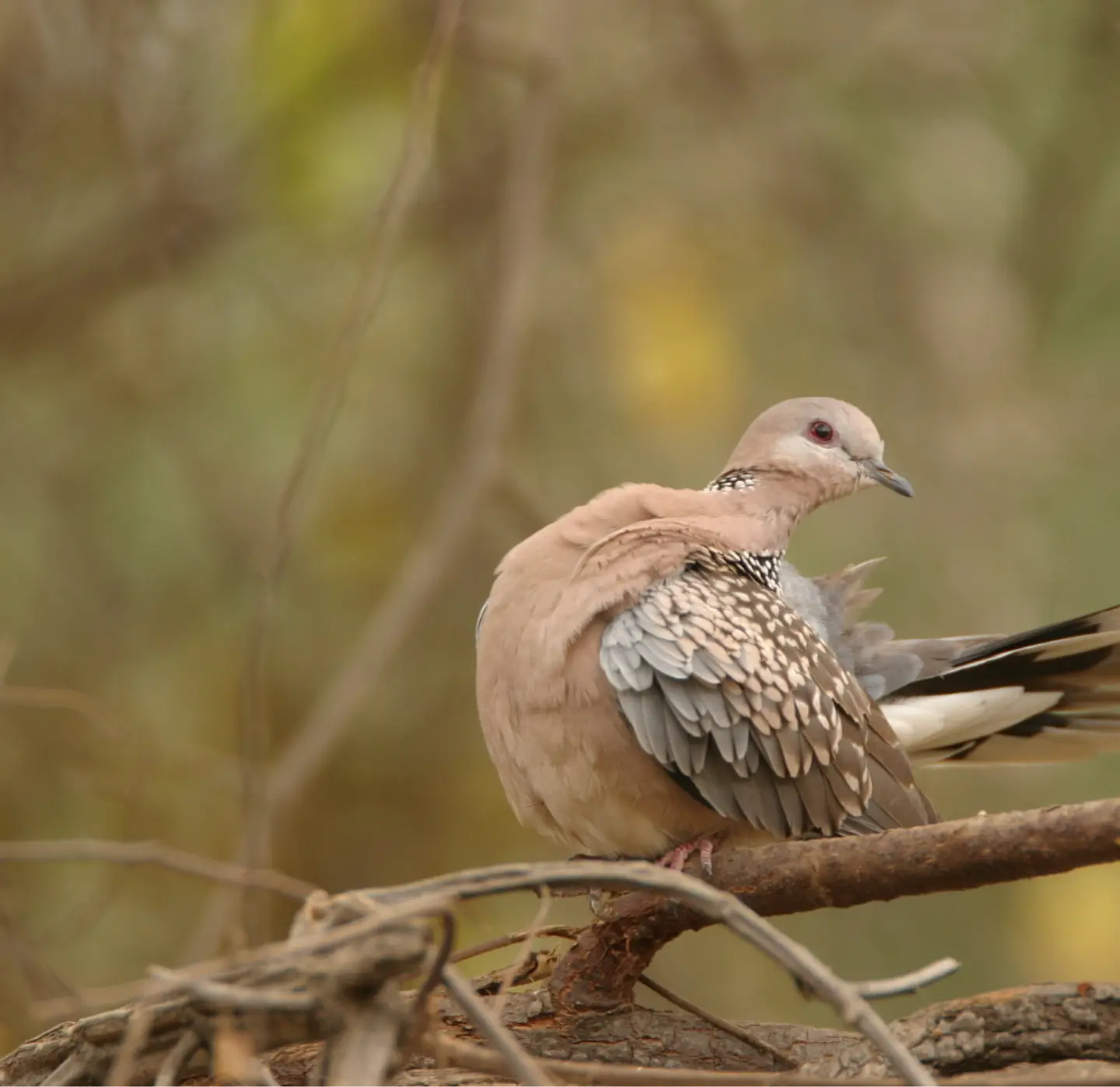
An Avian Wonderland
Surwal, a shallow seasonal lake, situated in the Ranthambore district of Sawai Madhopur, is set in a charming location amidst lush agricultural fields. It’s a paradise for bird watchers, especially between the months of November and March.
EXPLORE
The Jungle Safari
Our experienced naturalists will help you explore the abundant wildlife that the Ranthambhore National Park, sprawled over an estimated area of 400 sq. kms, has to offer. Besides the magnificent Bengal Tiger, it is host to over 200 species of birds, both resident and migratory, leopards, jungle cats, striped hyenas, a variety of antelopes & deer, and other mammals.
EXPLORE
Handicraft Shopping
Rajasthan is known for its unique and colorful handicrafts, like traditional carpets, rugs, draperies, hand-embroidered & block printed bed sheets, apparel and other fascinating souvenirs – take a piece of Rajasthan back home.
EXPLORE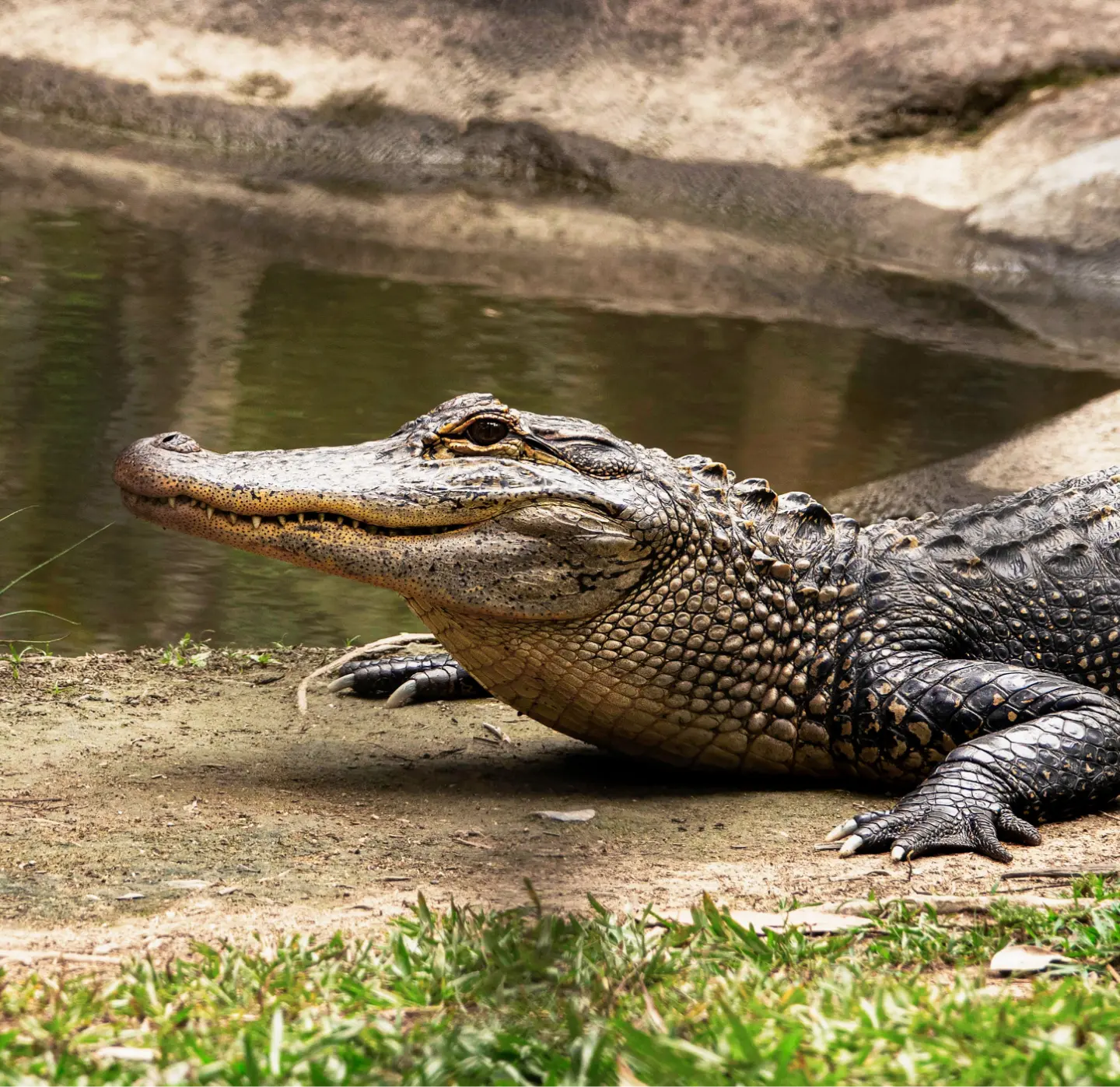
A Crocodile Safari
Marsh crocodiles and gharials (fish-eating crocodiles) sunbathe next to the shimmering waters of the Chambal River; a serene river that hides several secrets within its depths. Pali Ghat, the Crocodile park, a riverside sanctuary is an ideal place for bird watchers that is set amidst a backdrop of deep ravines.
EXPLORE
Tales Of Old
The Ranthambore fort, amongst its many wonders, recounts fascinating tales of the Maharajas of Jaipur, for whom hunting in the adjoining forests was a pleasurable sport. This former royal residence is now peppered with ruins frequented by the Bengal Tiger, providing an ideal backdrop for photographers looking to capture the splendor of this fort and its new royalty, the Tiger.
EXPLORE
Trip To The Bourg
The true essence of India is found within its several quaint villages. Take a tour of these rustic villages concealed amidst the Vindhya and the Aravalli ranges and unfold their simple yet alluring charms. Within the cheerful exteriors of these plain simple houses, lies the real India and its truest image.
EXPLORE
Trip to Mansarovar
A formidable structure, the Mansarovar Dam is situated in the southwestern fringes of the Ranthambhore National Park, creating a walled boundary of the reserve. It is a perennial water source that attracts thousands of birds, both native and migratory, for better weather, food and breeding conditions.
EXPLORE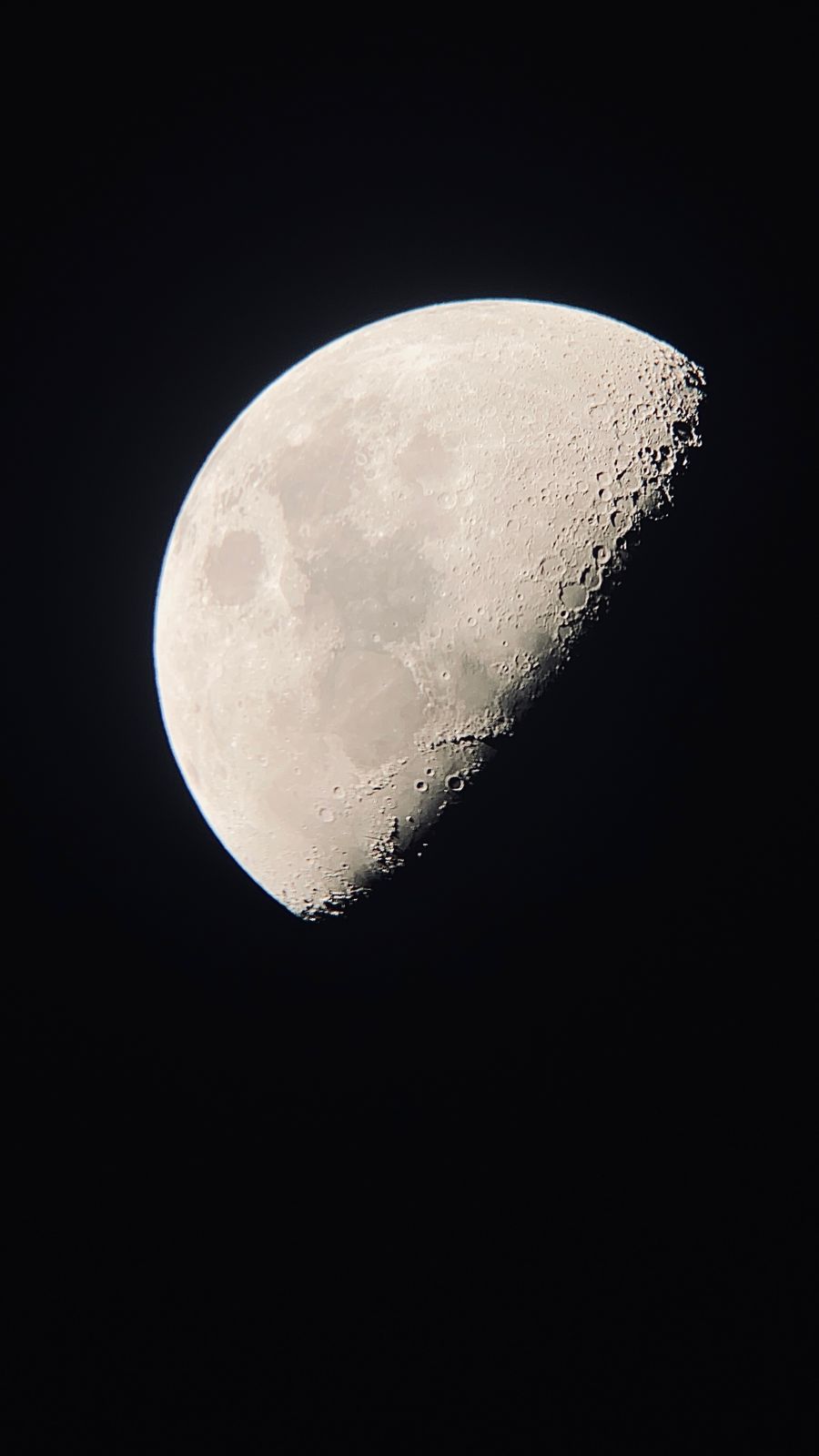
Starry Nights
Marsh crocodiles and gharials (fish-eating crocodiles) lie next to the shimmering waters of the Chambal River, a spot of serenity that hides secrets within its depths. Pali Ghat the crocodile park, a riverside sanctuary is an ideal place for bird watchers amidst a backdrop of deep ravines.
EXPLOREBook Your Stay
Stories from the Jungle

Guest Appreciation
We had a wonderful experience at the hotel. It’s like a little oasis created in the city, very green and calm. The staff is very hospitable and helpful and the food was great. Should definitely try their Lal maas, it is very delicious.
Overall a very good experience.
Aparna M

Most importantly, the staff at Ranthambore regency were so friendly and accommodating. Food was awesome with so much variety. The hotel was very clean and there was a lovely ambience. Would highly recommend this hotel to anyone wanting to visit.
The chef came to each table to ask whether we enjoyed the food.
Talking on the phone with Kishore the receptionist gave us a positive feeling and when we arrived all promises were kept even extending the lunch time slightly for us so we could enjoy a good meal after a long trip, we will be back to visit again!
Sonia Multani

It’s like living amongst friends, extremely hospitable and super service. The room is large and has all amenities. The Hotel has all amenities and boutique shop. In the evening by the swimming pool they have evening tea with snacks where guests can talk about their safari experiences and very nice ambience. The food is delicious. Being centrally located it is quiet and you can enjoy the birds chirping. I highly recommend this property for your stay at Ranthambore.
Sunil Agarwal


Wellness in nature
Pamper your body, mind and soul through holistic Ayurveda rejuvenation. Regency offers a well equipped spa with trained staff for your wellness and fitness needs. On offer are yoga, meditation and healing sessions for individuals and groups on request.
EXPLORE